Welcome!
We’re so glad you’re here.
Visiting the Barns at Creekside: Why We Ask a Few Things of Our Guests
If you’re reading this, chances are you’ve just scanned the sign in the barn.
First of all: welcome. We’re truly glad you’re here.
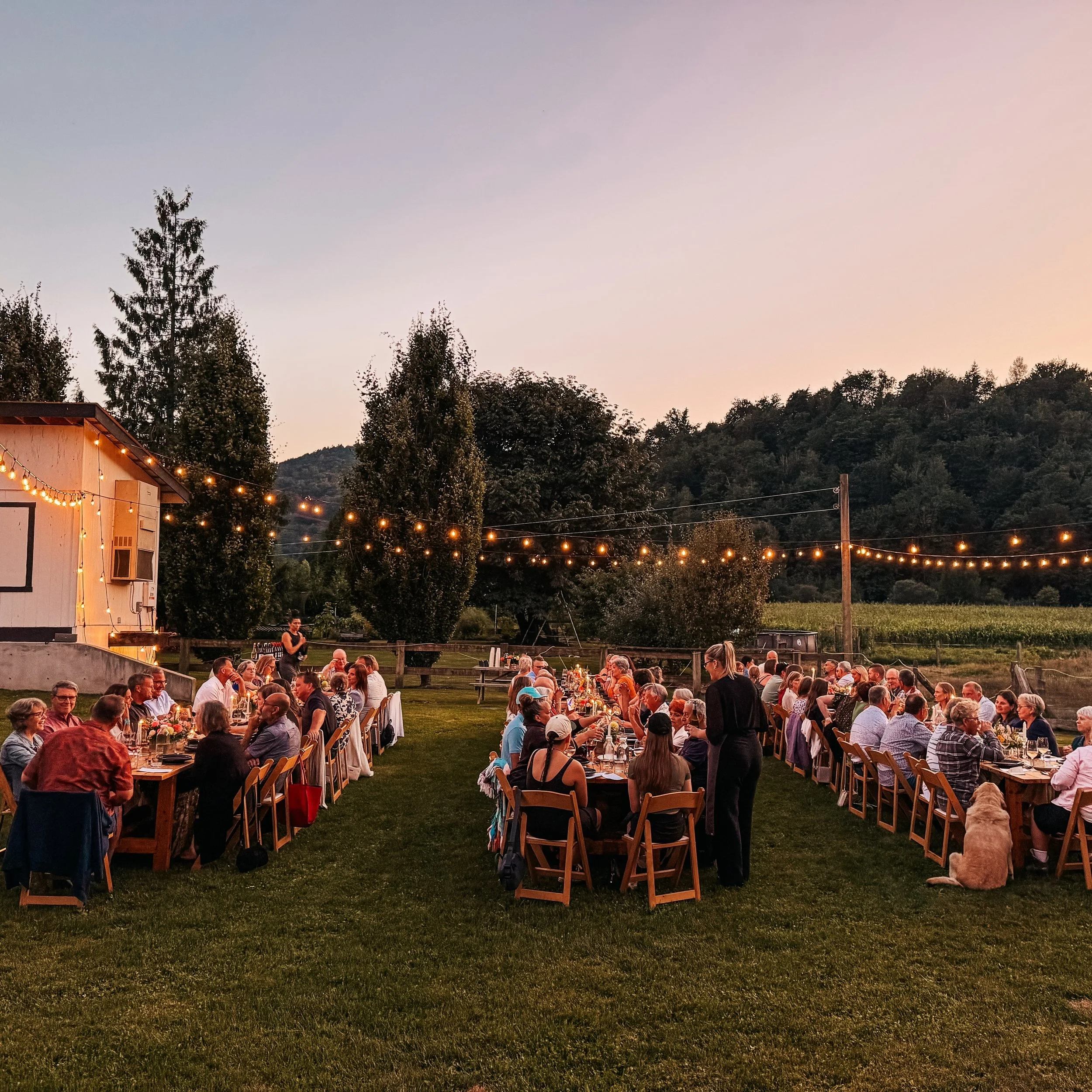
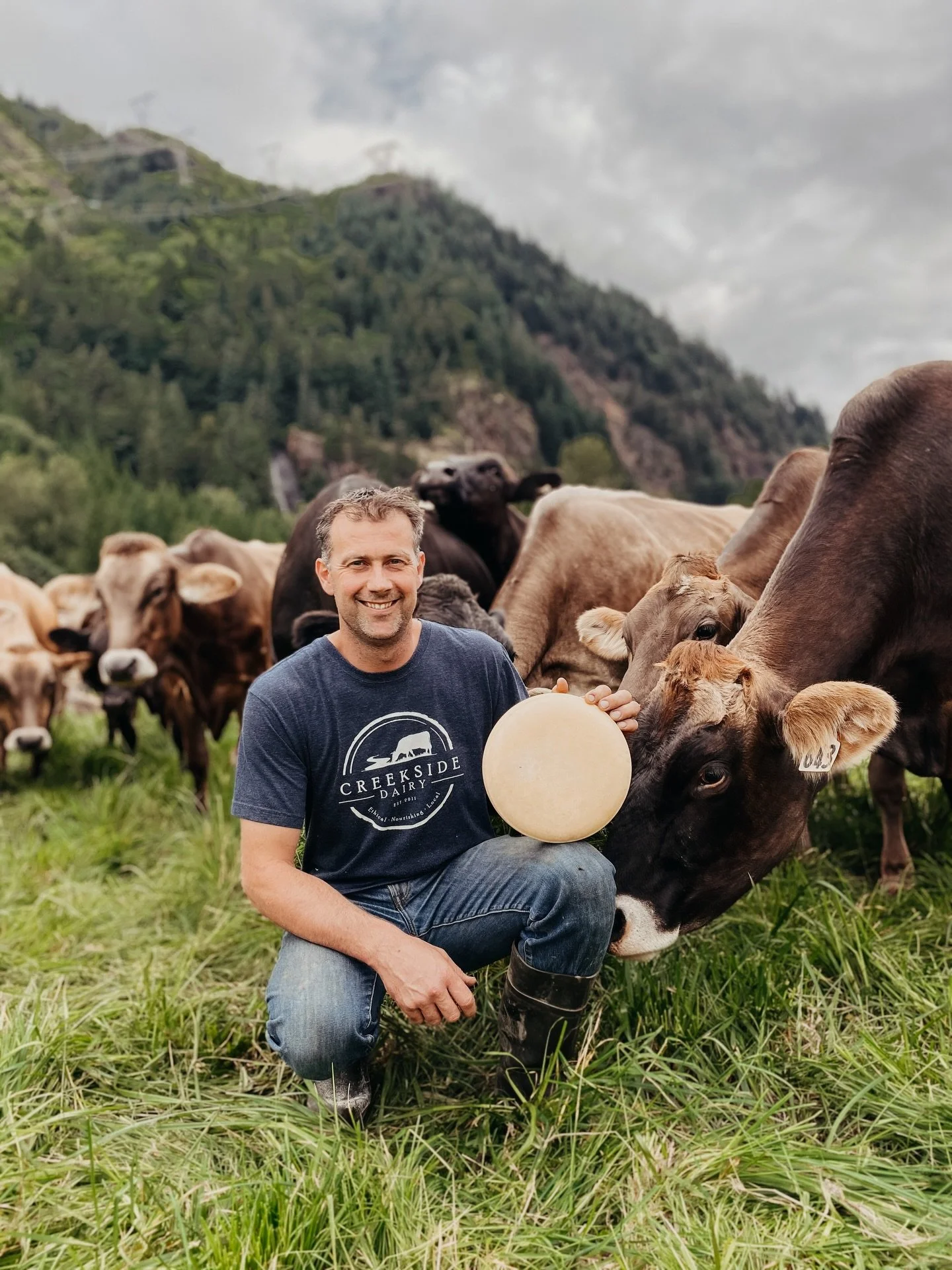
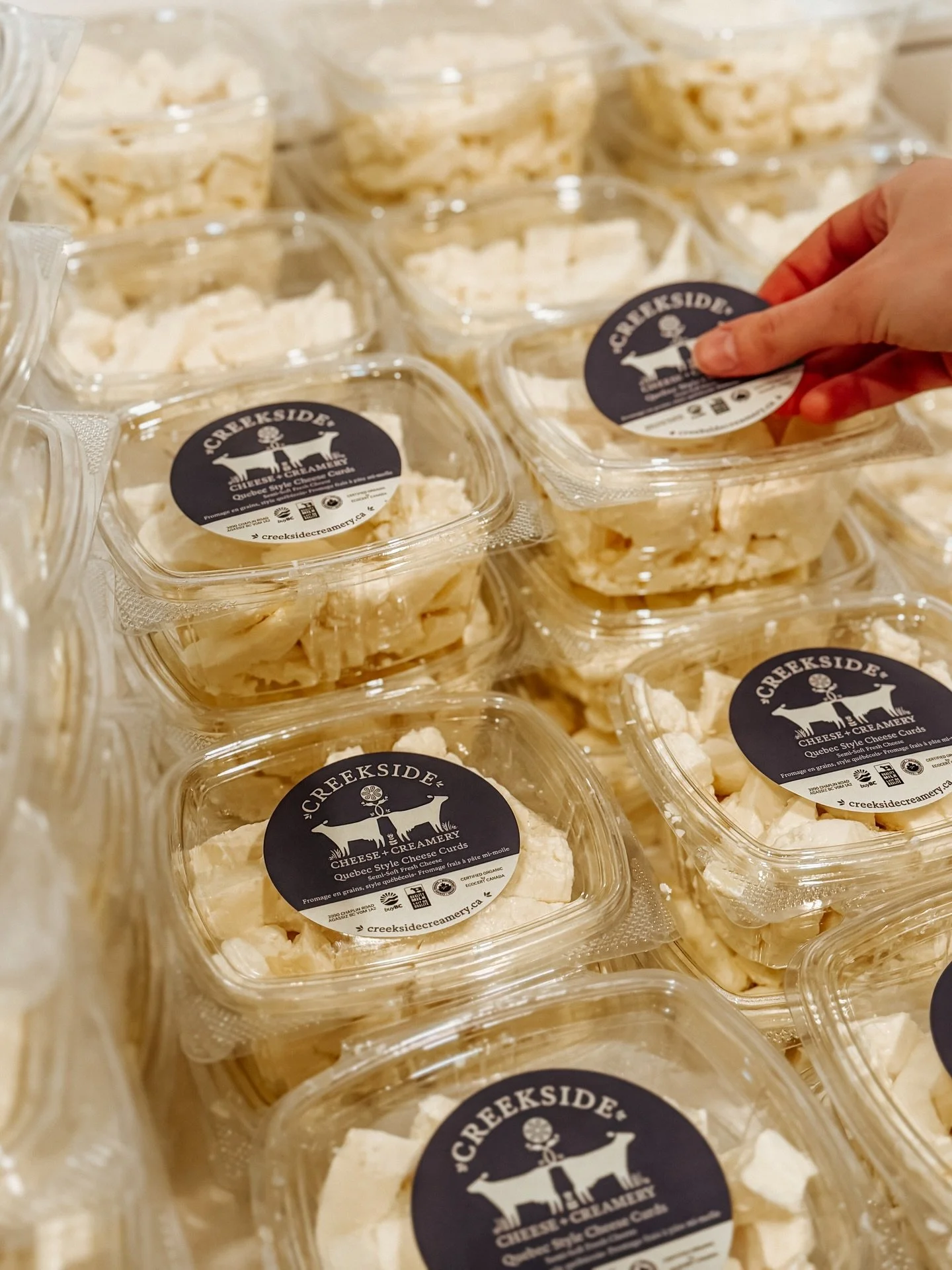
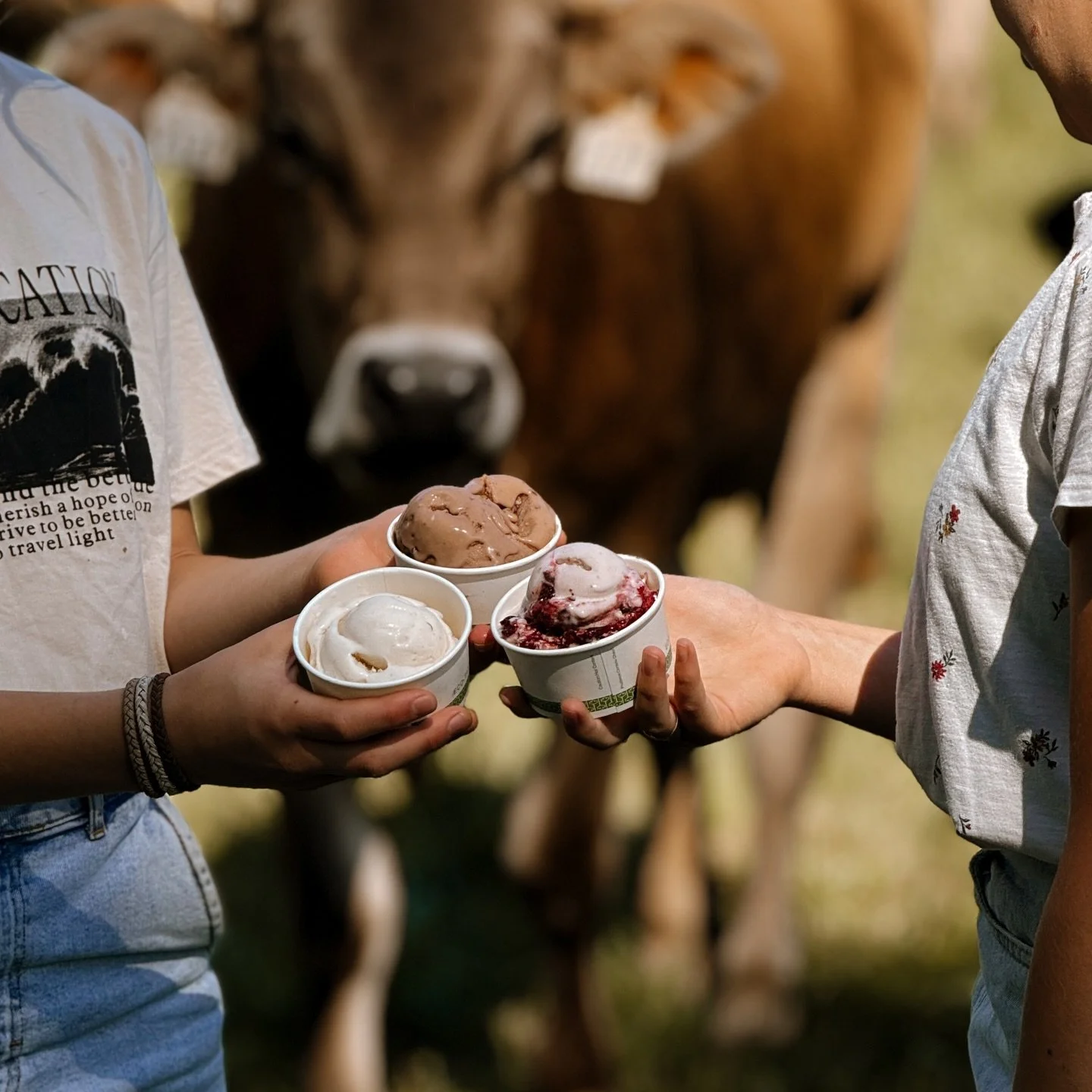
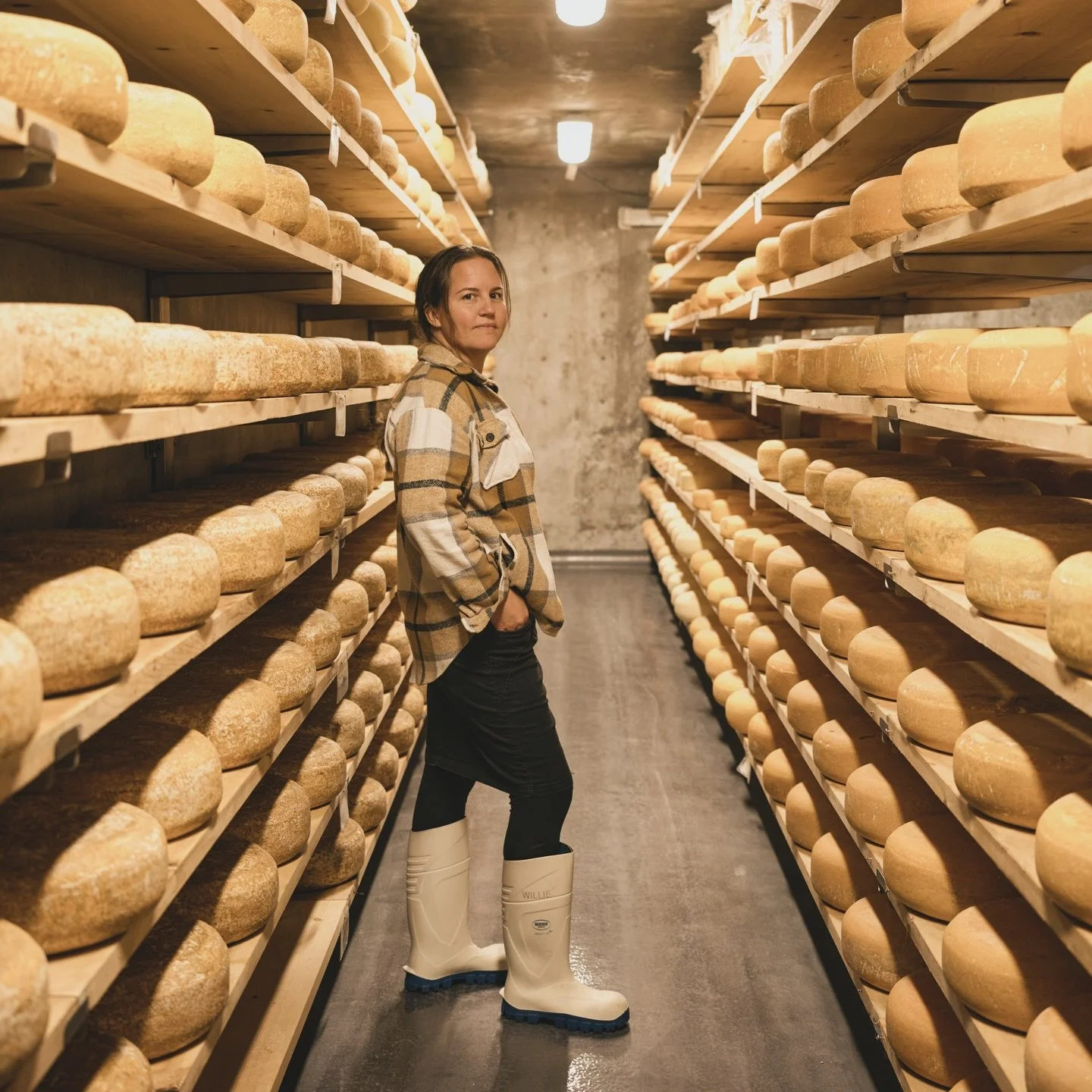
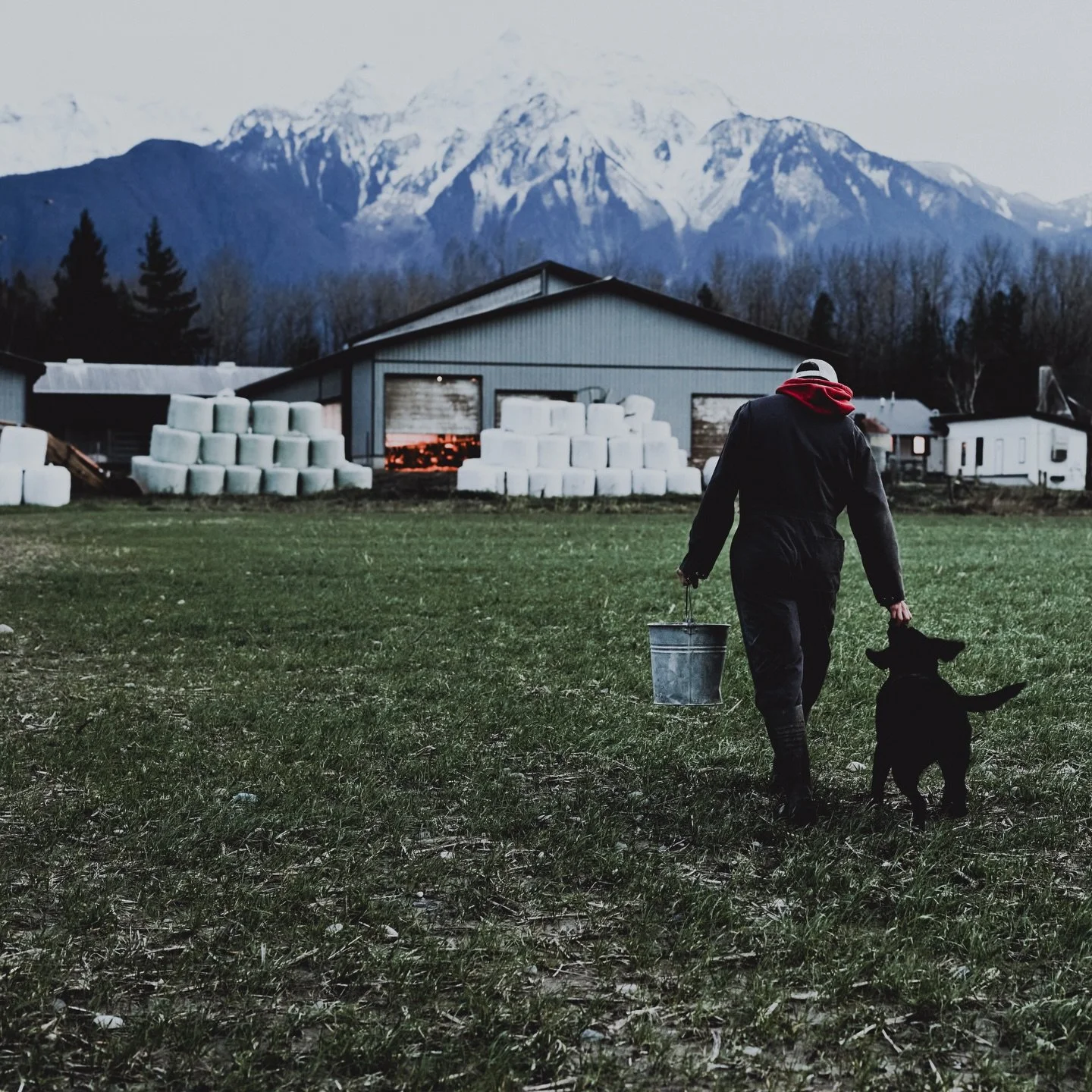
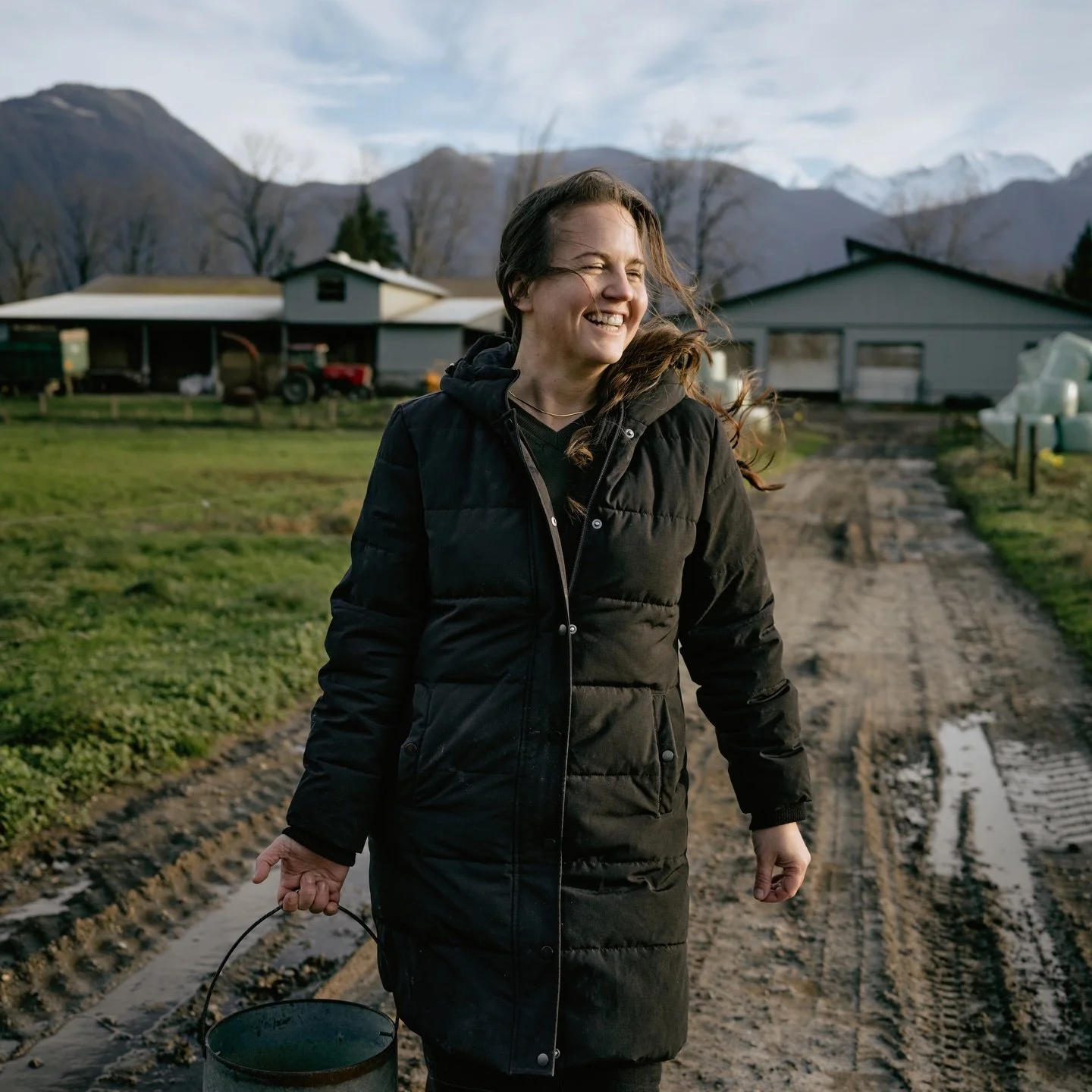
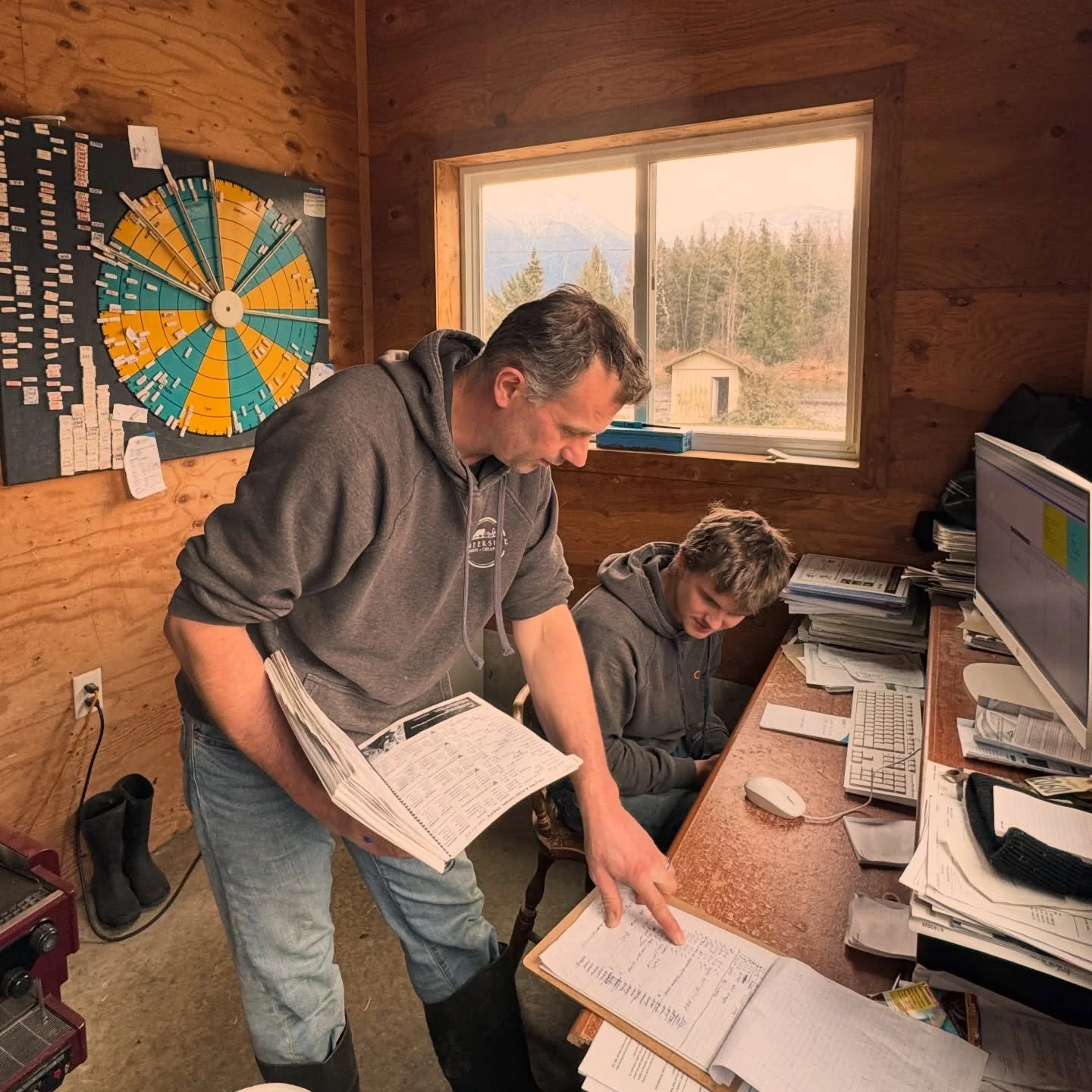
Creekside Cheese + Creamery is a small, family-run farm. Our family lives and works here each day, caring for our herd, milking the cows, and making the cheese and dairy you’ll find in the farm store. This place isn’t just where we work; it’s where our family’s life unfolds.
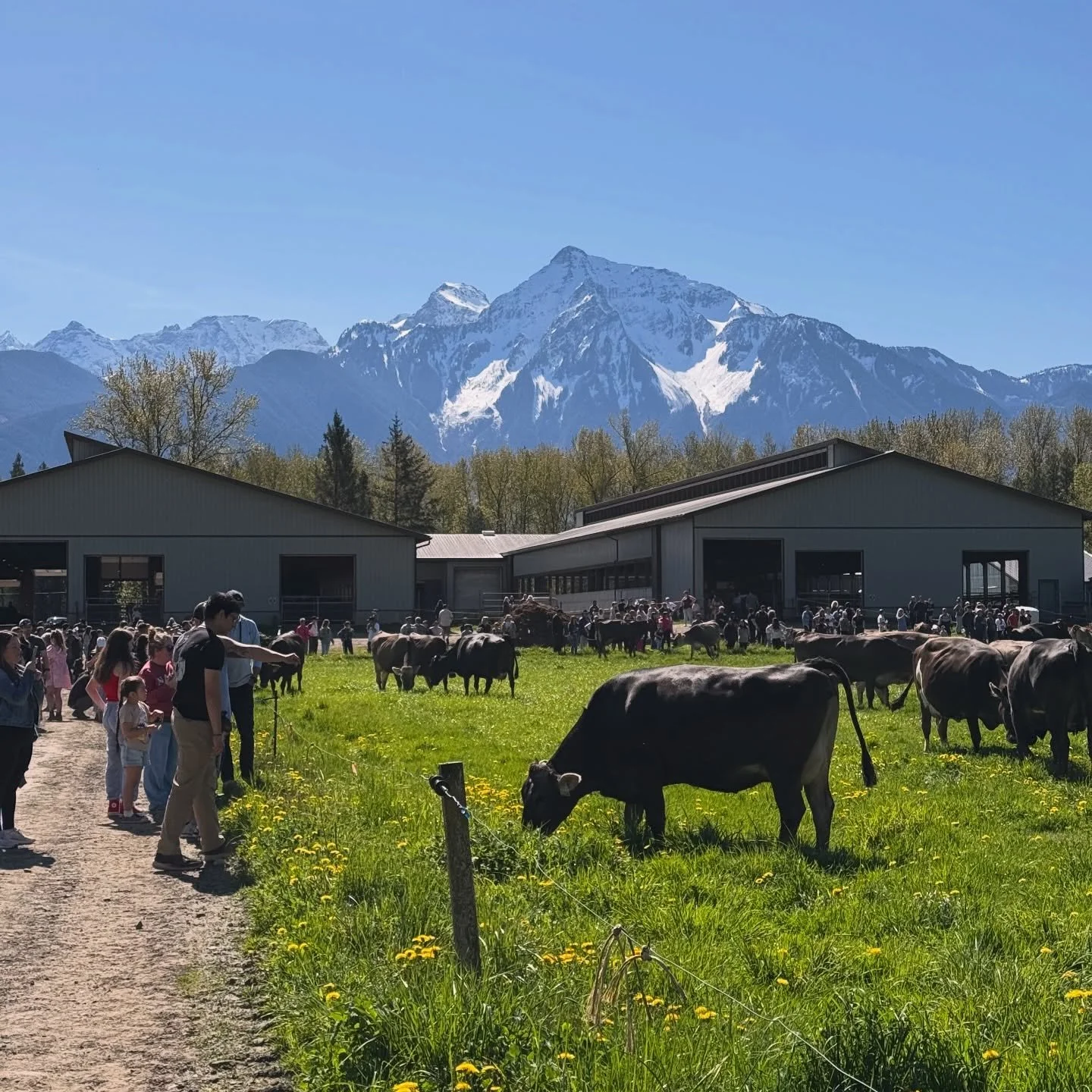
We believe farms shouldn’t feel hidden away. Food comes from places, from animals, from daily work, and there’s value in being able to see that. At the same time, this isn’t a petting zoo or a display — it’s our cows’ home and our workplace.
The guidelines on the barn sign help us care well for the animals entrusted to us, protect their routines, and keep everyone safe.
Here’s a little more context behind each one.
Why Are the Barns Only Open During Store Hours?
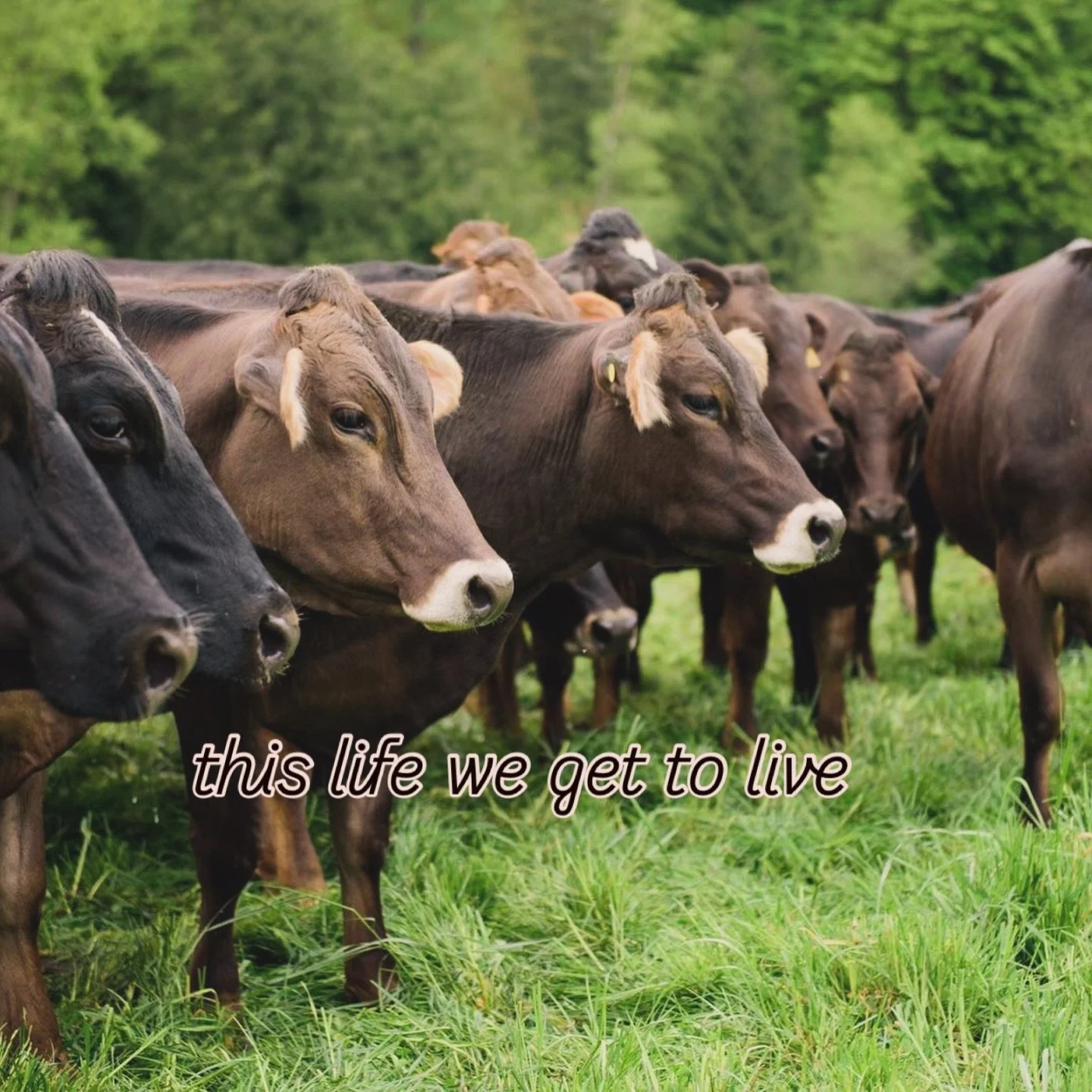
Our cows live on a very consistent daily rhythm — milking, feeding, resting, and moving all happen on schedule. Extra activity outside visiting hours can disrupt that flow and create unnecessary stress for them (and chaos for us).
When we’re open, we’re ready for visitors. When we’re closed, it’s quiet time — for both the herd and the humans.
Why Do We Ask You to Keep Things Calm?
Cows are sensitive animals. They notice tone of voice, movement, and noise far more than most people realize.
A calm environment helps:
maintain their health and milk production,
reduce stress in the herd,
keep interactions safe for you and for them.
If a cow approaches you, it’s because she’s curious. Slow, gentle movements help her stay comfortable. Startling her can undo that trust quickly.
Why We Ask Visitors to Remain in the Main Barn Areas
The barn areas you are invited into are designed to safely accommodate visitors. Other spaces you may see are part of the farm’s working systems and aren’t safe for public access.
Please remain in the main barn areas and out of places such as:
feed bunks (please don’t stand on the cows’ feed!)
sawdust or bedding storage,
feed storage and commodity bays,
These spaces must stay clean, organized, and accessible so we can care for the cows properly throughout the day.
Some parts of the barn are essential to how it functions but can pose real danger if entered.
Manure pit and manure drop slots are necessary to keep the barn clean, but they are serious fall hazards.
Any gated pen (with or without animals)
Equipment zones allow us to mix and deliver feed efficiently.
These are not designed for foot traffic and must remain restricted for everyone’s safety.
When cows are outside, it may feel natural to want to walk out to them — but pastures are still part of their managed environment.
Entering pastures or walking out to the cows while they are grazing can:
disrupt grazing patterns,
stress animals or cause them to bunch or move unexpectedly,
create safety risks for visitors unfamiliar with herd behaviour.
For their wellbeing (and yours), we ask that all pasture areas remain off-limits unless you’re part of a guided visit.
Why Do Children Need Close Supervision?
Farm spaces aren’t designed like playgrounds. There are gates, uneven floors, equipment, and animals that don’t understand sudden movements from small humans.
Kids are always welcome here — we just need grown-ups right beside them so everyone has a good experience.
Why We Ask You Not to Feed the Cows (or Move Their Feed)
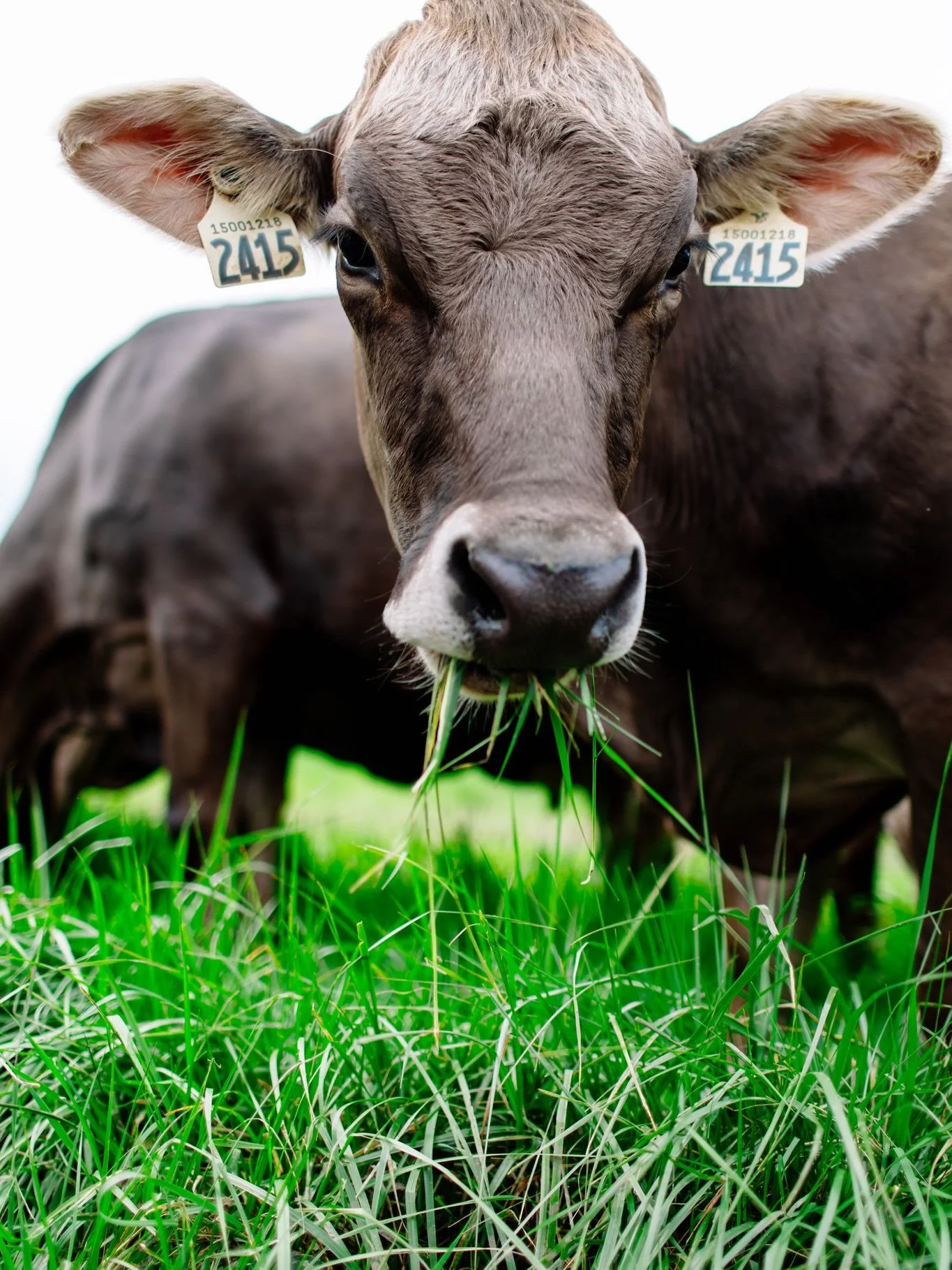
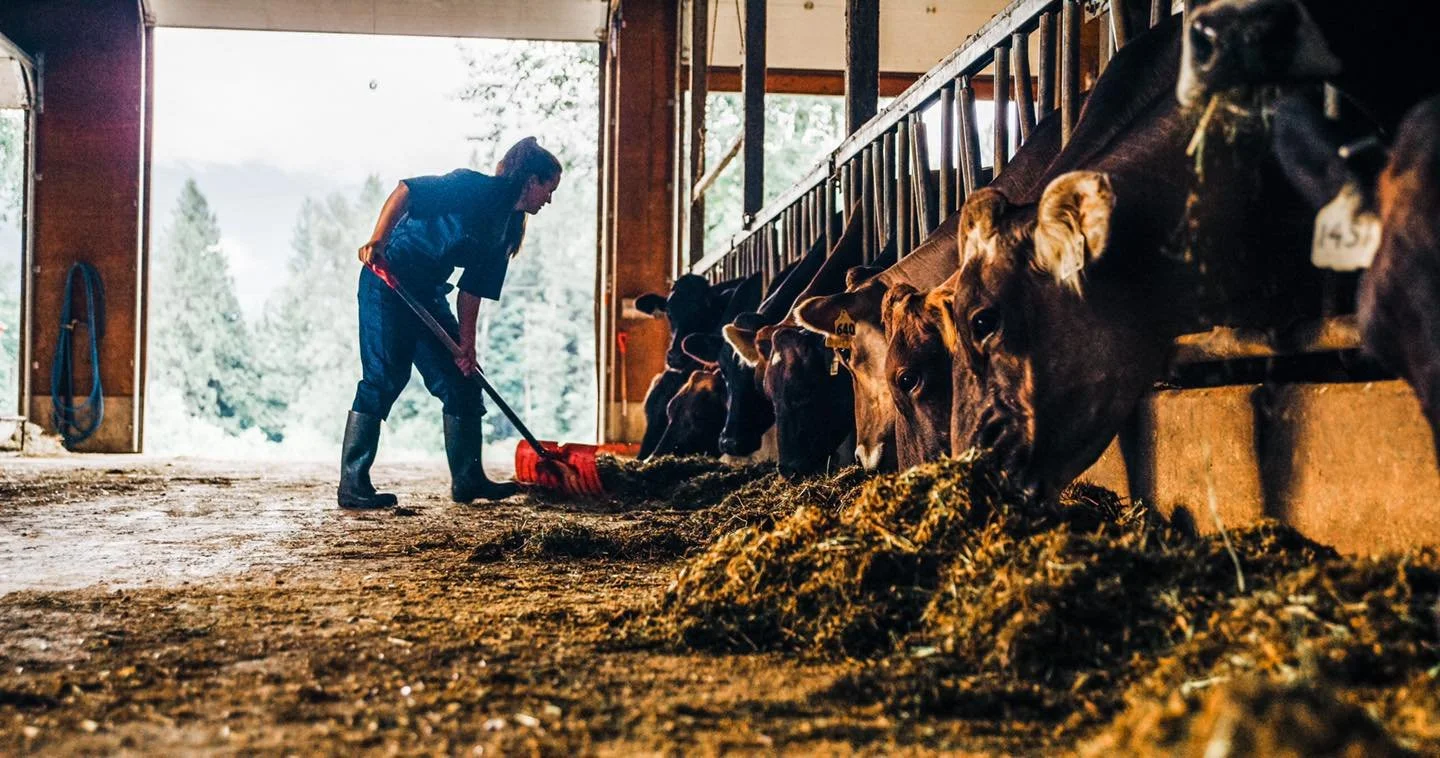
Our cows eat a precisely balanced ration developed with a livestock nutritionist. Every ingredient matters — for their digestion, their health, the quality of the milk, and even our organic certification.
Just as important as what they eat is when they eat.
Cows thrive on routine. They are fed at specific times each day — after milking, again mid-day, and at other carefully managed intervals. When feed is pushed up at random times, or handled with barn tools by well-meaning visitors, it disrupts that rhythm and can affect:
digestion and rumen health,
milk production,
cow comfort and predictability of the herd.
So while it may feel helpful, we ask that all feeding and feed management be left to us.
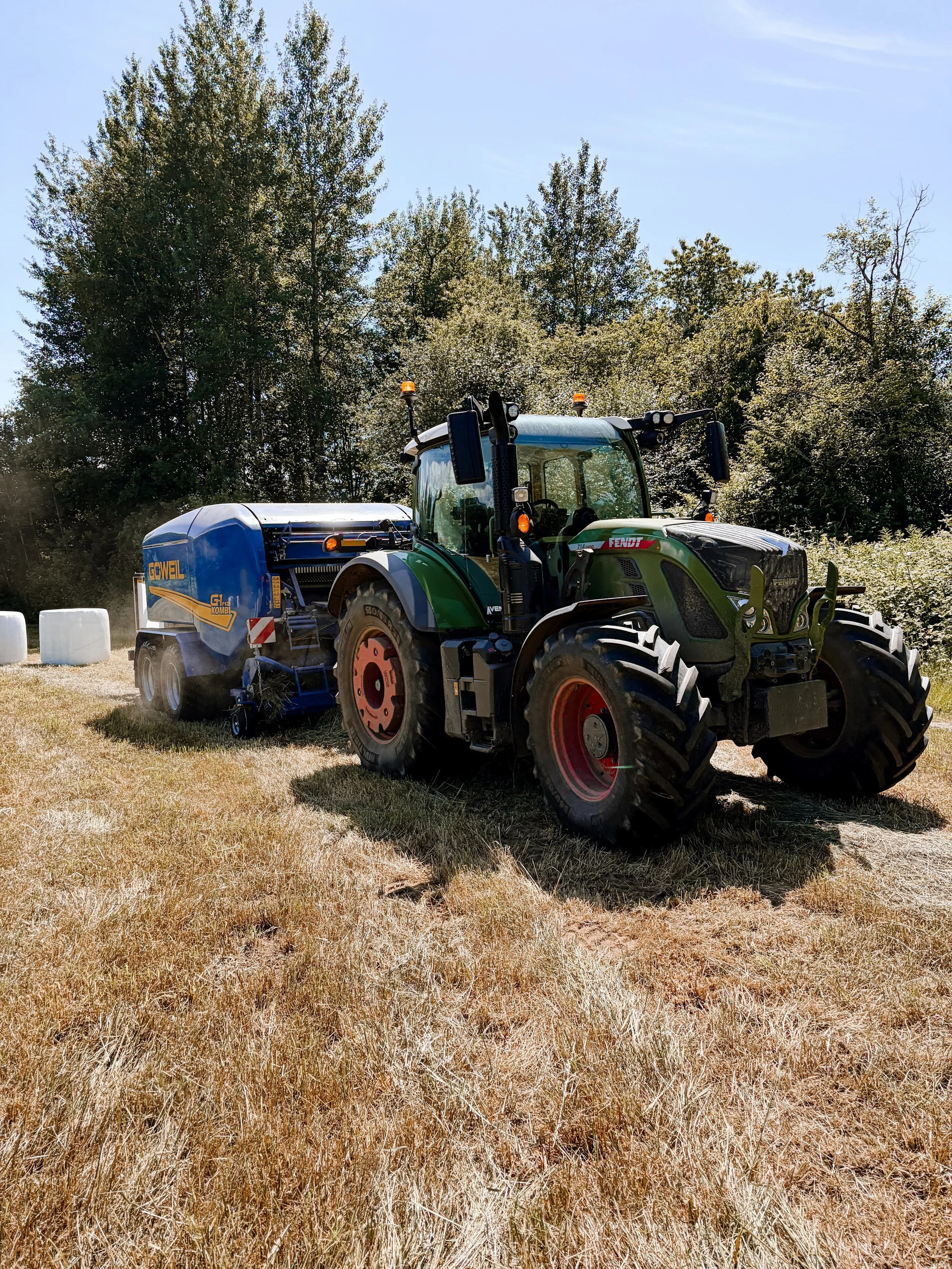
Why Tractors Always Have the Right of Way
Because this is still a working farm — not just a place to visit.
Machinery moves frequently, often with limited visibility, and animals are fed and barns are cleaned as part of the daily workflow. Yielding to equipment keeps everyone safe and allows the work of the farm to continue without interruption.
While You’re Here…
If you’d like to learn more about our family, our herd, and how this little farm became a creamery, we’d love to share that story too.
Visit our About Us page to read more about who we are and why we do what we do.
Thank You for Being Here
Opening our farm to visitors is something we value deeply.
We want you to see where your food comes from, smell the hay and silage, hear the cows chewing, and experience a place that is real and lived-in.
Your respect for these simple guidelines helps us keep doing that — caring for our animals, our land, and the people who come through.
We’re grateful you’re part of that.